3D Fitness Anatomy
Storyboard a short anatomy visualization around one movement with verified joint positions, clear overlays, and controlled pacing.
Start with the viewer promise.
Show one repeatable movement and explain what the camera reveals. Keep any labeling within what you can verify.
Who it may suit Fitness and anatomy learners who want to see how one movement looks from a clear angle.
Formats to try Shorts (9:16) · 20–60s
Make the channel distinct.
One movement from two angles
Show the same action from the side and front when each view answers a different question. Match timing and body position.
Ideas for your first episodes
Build a repeatable episode.
Plan the opening
Choose one movement and check it with an anatomy reference.
Build the middle
Lock the camera and mark start and end positions.
Finish the episode
Add only the labels you can verify in the edit.
Editable scene examples
Keep one action per clip. Use the camera and lighting cues as a starting point and change one setting per take so you can see what improved.
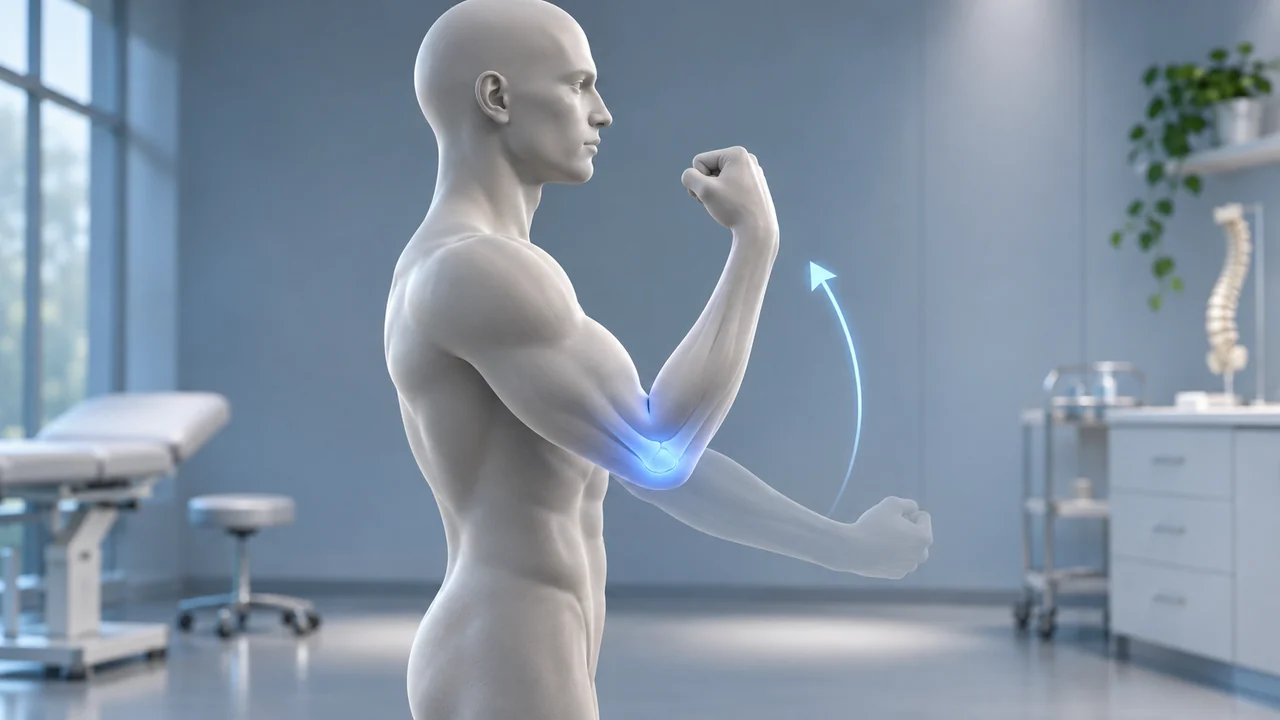
One elbow bend
Narration / character direction
Follow the angle between upper arm and forearm through one slow repetition.
Image prompt
Neutral anatomical mannequin with a plain joint overlay, side view, full arm in frame, no embedded labels.
Motion prompt
Lock the side angle. Hold the starting position, animate one smooth bend, and freeze on the final angle.
Prompt library templates
Before you publish
- Check the geometry against a qualified reference.
- Present generated imagery as an illustration and avoid prescribing exercise or treatment.
For factual content, keep a source record and verify the narration. For fictional scenes, make the presentation clear to your audience.
Common questions
Should I trust generated muscle labels?
Use a reviewable reference and add the labels yourself. A polished render can still place a highlight on the wrong structure.