3D Educational Explainers
Explain one idea at a time with simple 3D demonstrations, verified narration, and a clear visual payoff for the viewer.
Start with the viewer promise.
Use the model to show the cause of a visible change. Choose one mechanism the viewer can describe after a single watch.
Who it may suit Curious viewers learning a practical concept, sports play, or career task for the first time.
Formats to try Both · 30–90s
Make the channel distinct.
One variable at a time
Turn common assumptions into paired demonstrations. Use the same scale and camera angle so viewers can see which variable changed.
Ideas for your first episodes
Build a repeatable episode.
Plan the opening
Write a question the demonstration can answer on screen.
Build the middle
Build a comparison with only one meaningful difference.
Finish the episode
Replay the deciding moment with an editor-added label.
Editable scene examples
Keep one action per clip. Use the camera and lighting cues as a starting point and change one setting per take so you can see what improved.
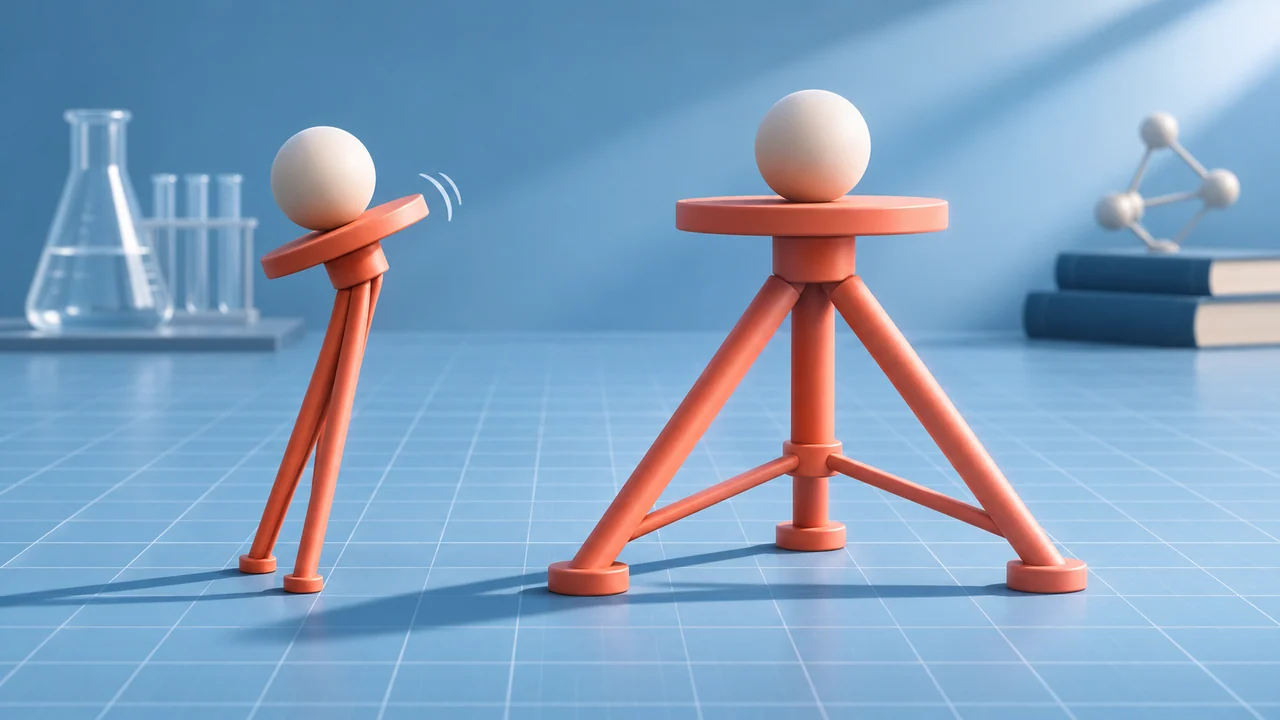
Why a wide base helps
Narration / character direction
Which stand tips first when both get the same gentle push?
Image prompt
Two identical matte 3D stands on a grid, one with a visibly narrower base, side light and no labels.
Motion prompt
Lock the side view. Show one identical push per stand and pause on the moment a foot lifts.
Prompt library templates
Before you publish
- Check the explanation against a reliable reference.
- Compare every visible input before presenting a causal claim.
For factual content, keep a source record and verify the narration. For fictional scenes, make the presentation clear to your audience.
Common questions
When is a 3D visual worth using?
Use 3D when angle, depth, or movement makes something easier to see. An overhead diagram can do the job for a straightforward sports play.