Original Clipping & Dubbing
Edit owned or licensed footage into clear standalone clips, and prepare a timed translation sheet for an authorized dub or voice track.
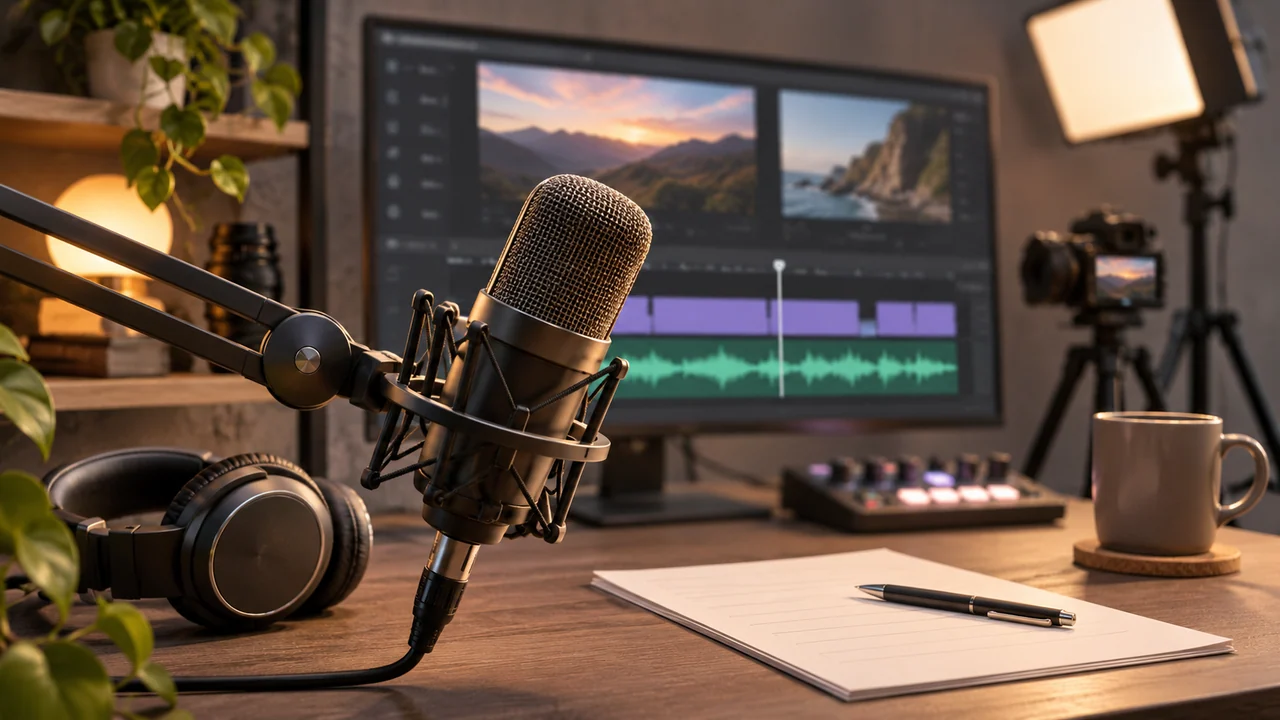
Start with the viewer promise.
Preserve the meaning of the source when shortening or translating it. Give the finished excerpt one point a viewer can follow without the original.
Who it may suit Creators repurposing their own interviews, demonstrations, gameplay, or original drama for a new audience.
Formats to try Both · 20–90s
Make the channel distinct.
The excerpt and the context
Use a short original introduction to explain where the source clip came from and why the moment matters.
Ideas for your first episodes
Build a repeatable episode.
Plan the opening
Log source rights and select a complete thought or scene beat.
Build the middle
Preserve a timestamped copy of the original dialogue.
Finish the episode
Review the shortened or translated version against the original.
Editable scene examples
Keep one action per clip. Use the camera and lighting cues as a starting point and change one setting per take so you can see what improved.
The line and its reaction
Narration / character direction
“Sandali. Bakit nandito pa ’yung susi?” Record a pause before the reply so the question fits the picture.
Image prompt
Use a cleared source frame. Place a neutral subtitle sample within the vertical crop, outside the speaker’s face.
Motion prompt
Preview the crop across the full line. Hold the original listener reaction before cutting to the next caption.
Prompt library templates
Before you publish
- Confirm edits, translations, music, and performer voices are covered by the relevant permissions.
- Check for missing context at the beginning and end of the clip.
For factual content, keep a source record and verify the narration. For fictional scenes, make the presentation clear to your audience.
Common questions
How do I check whether a dub fits?
Play the edit with a scratch read and mark where lines collide with reactions, pauses, or effects. Ask a fluent speaker to check the finished language.