Mandarin Period Microdrama With Weather and Standoffs
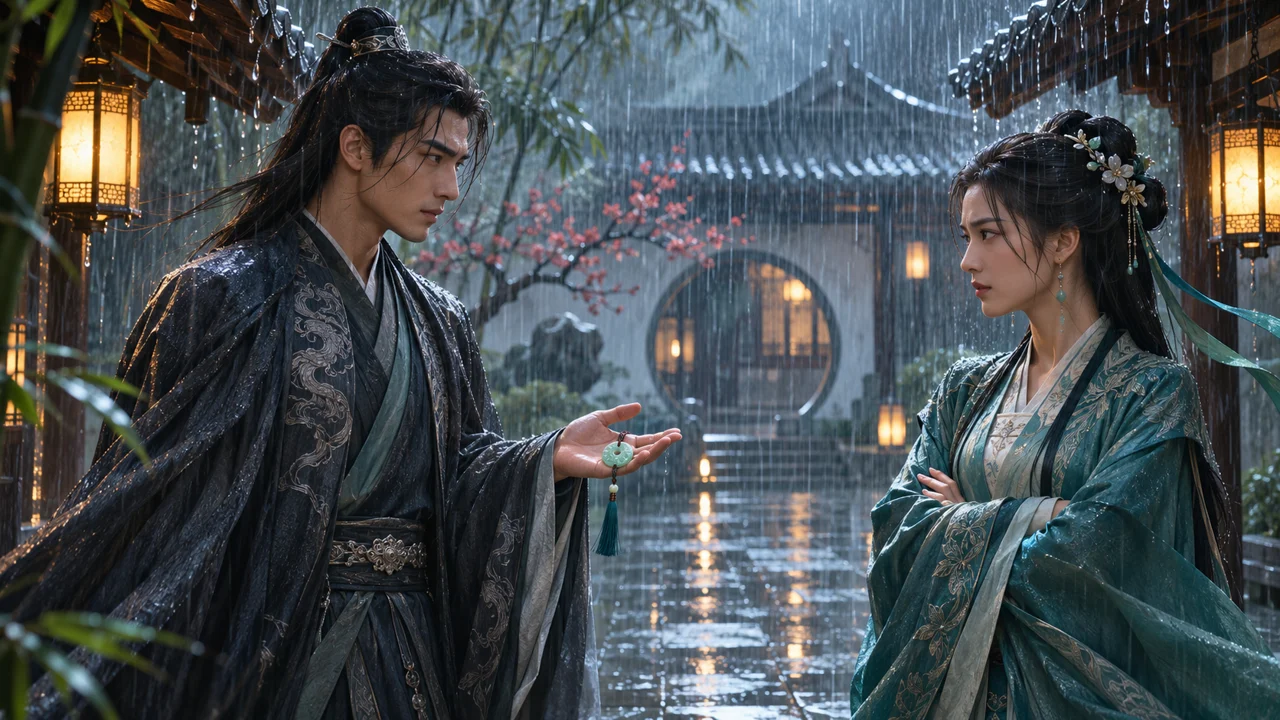
Lock the direction of wind, eyelines, and fabric between cuts. Use a wide shot followed by a close reaction to preserve the geography.
Make this prompt yours.
Create a 10-second vertical period suspense scene set in [FICTIONAL SETTING] with [CHARACTER REFERENCES]. Work with original Mandarin-speaking characters and imagined regional costume details. Choose one dramatic treatment from the list and build it around a decision visible in a look, a held prop, or a change of posture.

A bamboo grove or mountain temple: Mist reveals two people waiting at opposite ends of a stone path. A close-up of wet bamboo interrupts their shared eyeline. A gust lifts both hems in the same direction.
A foggy bridge, old village, snowy pass, arena, or sunset courtyard: A wide shot shows the distance between two rivals. Cut to snow, dust, or falling paper crossing into the gap. End on the second person lowering their gaze and opening a hand.
A palace corridor, a train through open country, or a rider crossing a grassland: Use a lantern reflection, moving window light, or hoofbeats to imply quick movement off-screen. Resolve it on a face held still against a shifting background.
A cliff-side rescue or a train platform departure: Establish the separation in a wide composite and cut to the two figures back together in a sheltered space. Let wind, rain, and wet fabric carry across the transition.

Favor anticipation and reaction shots. Provide one natural Mandarin line, for example “我来晚了吗?” (“Am I too late?”), a plain-language translation, and a timing cue for an original or authorized voice. Use clear screen direction and keep physical impacts off-screen.
Edit the full prompt
2 placeholders still unfilled
How to use it
Keep the model version, aspect ratio, and reference consistent when comparing drafts. Change one camera or lighting cue at a time so you can see what it affects.
Add specific context
Fill in the topic, audience, format, and any reference material you have. If a detail is unknown, ask your AI tool to flag it instead of inventing it.
Generate a draft
Paste the customized prompt into your chosen tool. Check which controls it supports; descriptive wording transfers more reliably than model-specific flags.
Review and refine
Check facts, remove claims you cannot support, and compare the output with your intended video. Change one detail at a time to understand what improves the result.
Keep creating
 Mandarin Microdrama Prompts for Modern Suspense ↗
 Veo 3 Selfie Vlog (Talking Head) ↗
 POV Night Forest Walk ↗
 ASMR Close-Up Trigger Loop ↗