Transition Between Two Unrelated Interview Quotes Without Changing Meaning
Bridge separate interview excerpts with a clear topic shift and source labels instead of implying one speaker answered the other.
What you’ll take away
- Preserve each quote's original context
- Signal the topic shift
- Do not imply a reply or shared event
Two interview quotes can sit next to each other without implying that one speaker was responding to the other. Add a short bridge that states the editorial relationship—such as a shared topic or a difference in perspective—and keep the speakers' original context visible in the edit.
Verify both excerpts
Before editing, review each full answer and the question that prompted it. Record the interview date, location and surrounding exchange. Confirm the quote is accurate, including qualifications and negations, and avoid trimming a phrase until it appears to answer a question it never addressed. A clear source log helps retain this context when clips move during revision.
If the excerpts concern unrelated subjects, do not create a link through shot order alone. Add narration or a title card that says why they are being compared. When the subjects are merely adjacent in a broader discussion, say that. Avoid a reaction shot from one speaker over the other's audio unless the recorded event actually happened that way; otherwise the edit can suggest an interaction that did not occur.
Write a neutral bridge
Useful bridges describe the editor's reason for pairing the excerpts: “These interviews took place in different years, but both discuss how the proposal affected local services.” This statement should be supported by the interviews and should not claim agreement or disagreement unless the clips show it. If they do differ, name the specific difference rather than calling one speaker a rebuttal to the other.
Fictional example
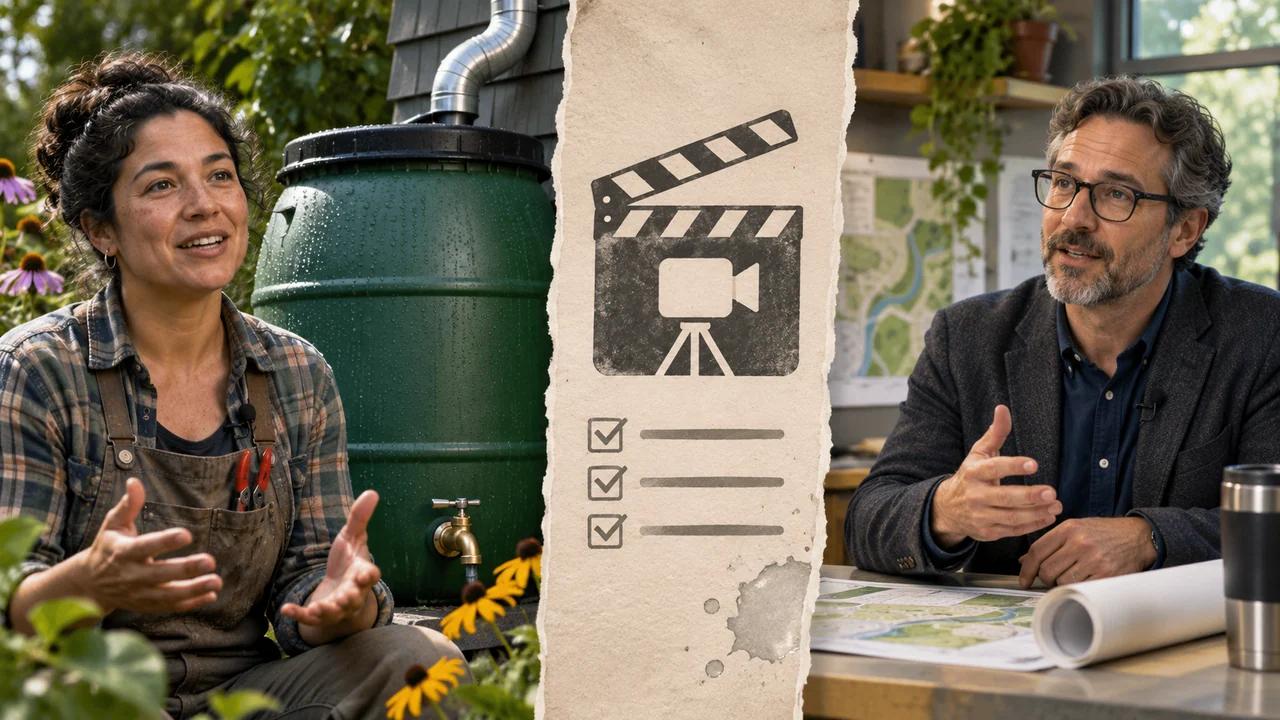
Imagine two invented interviews. A gardener says she prefers rain barrels for small plots; a city planner, interviewed separately, describes a grant program for water conservation. A fair bridge might say, “Both discuss ways households can conserve water, though they focus on different approaches.” It should not say “the planner responds to the gardener.” The people and interviews here are fictional.
Use lower thirds that retain each speaker's name and role as verified, plus a date or setting when it helps distinguish the recordings. If a quote is shortened, use an ellipsis only where it preserves the sentence's meaning. For copyrighted material, legal analysis depends on context and cannot be reduced to a fixed duration or word-count rule; consult the Copyright Office's fair use materials and qualified counsel if necessary.
Test the cut for implication
Watch the sequence without narration and ask what relationship a viewer might infer. Then listen with a black screen to check that the bridge still explains the comparison. Review the wording against both complete answers before finalizing. The faceless content workflow can make this meaning check part of the edit review.
Sources & further reading
Put it into practice
- A Repeatable Faceless Content Workflow: Idea to Published Video
- How to Write AI Video Prompts That Produce Usable Shots