Plan Footsteps and Body-Height Camera Motion for POV
Give first-person camera movement a physical cause. Match sway, footfalls, turns, and pauses to the action instead of asking for constant motion.
What you’ll take away
- Give first-person camera movement a physical cause.
- Set one eye height and check how it changes with each step.
Set the viewer’s eye height
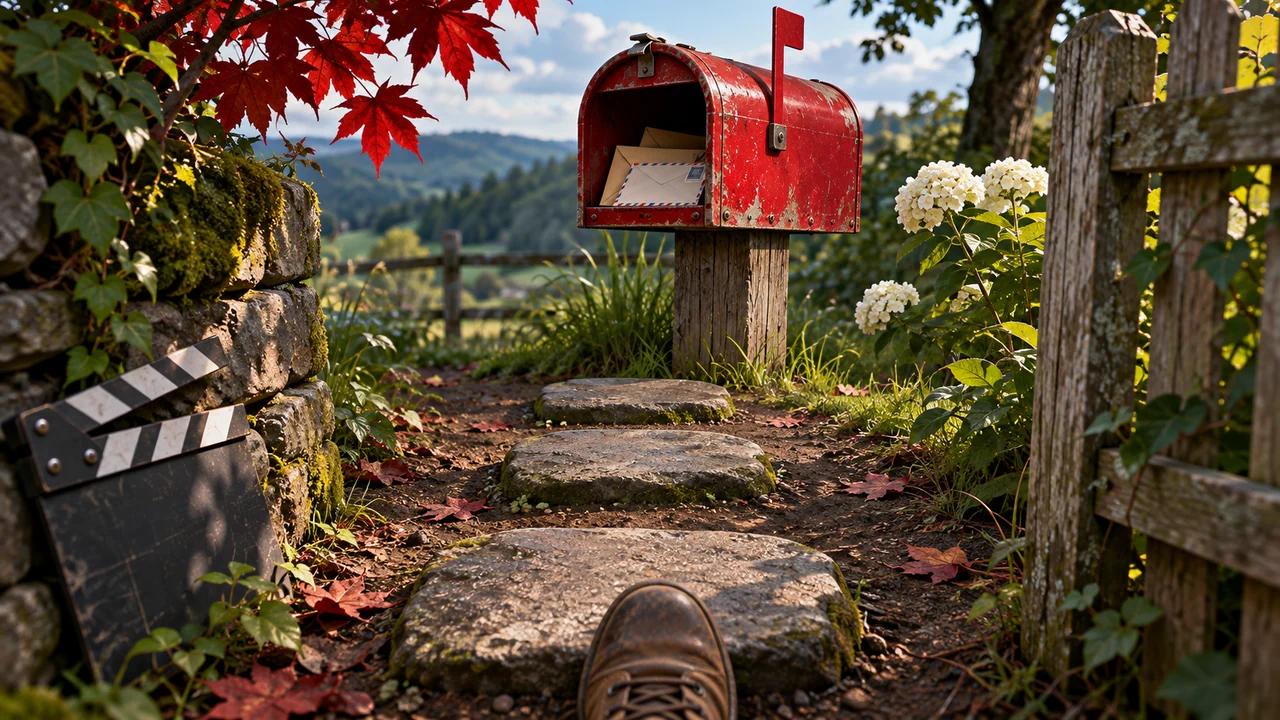
Mark initial stance, direction, pace, destination, and stopping point. A walk might start at the doorway, take three careful steps over stones, then pause beside a marker. Gentle rise and fall with measured footfalls suggests walking; a downward glance can show the viewer checking the ground. Use a low viewpoint for crouching or sitting. Add a turn only when something motivates it, such as hearing a sound from behind.
Give the walk a place to stop
Give footsteps a measurable destination so the camera has a reason to stop. “Walk toward the red mailbox and stop beside it” gives more structure than “walk through the street.” Pace can change with the surface or the character’s intent: slow on a narrow stair, quicken across an open landing, then settle before reaching for a rail. Avoid dramatic bounce unless the viewer is running or jumping. The movement should support the action and leave the main object readable. A subtle head turn can follow an approaching sound, while the body continues facing the route.
Compare camera movement with the sound or action if the scene includes them. Footsteps heard at a steady rhythm should not accompany a view that accelerates and decelerates randomly. A hand reaching toward a shelf may create a short forward lean, then the viewpoint should settle as the hand makes contact. If you want a scan of the room, describe a slow turn from a stable stance rather than a drifting arc. Review the first, middle, and final frames to see whether height changed accidentally. Add only the movement cue that corrects the observed mismatch.
Change one gait cue at a time
Keep the same route and compare two gaits at the same camera height. One pass can use a measured walk; another can add a brief pause before the turn. Compare whether the camera stops at the same mark and whether the viewer's gaze lands on the intended object. Do not add shake simply to make a clip feel human. It can obscure the subject and distract from the route. Keep the reference image and movement instructions separate so a composition change is not confused with a motion change.
Sources & further reading
Put it into practice
- How to Write AI Video Prompts That Produce Usable Shots
- A Repeatable Faceless Content Workflow: Idea to Published Video