Free guide
The Faceless Creator Playbook
How faceless YouTube automation actually works, from niche selection to a repeatable daily publishing loop — and how to use a short-form video prompt generator to run it.
Faceless YouTube Automation: Why a Blueprint Beats Inspiration
A faceless channel is a production line, not a personality. The creators who publish every single day are not more talented — they have removed every decision that has to be made twice. Their niche is fixed, their character is locked to one description, their colour palette never moves, and their shot grammar is a template rather than a choice. That is why a blueprint matters more than inspiration: once the archetype, wardrobe, palette, and pacing are written down, the only variable left each day is the topic, and a topic takes ninety seconds to pick. A short-form video prompt generator turns that fixed blueprint into a full YouTube Shorts automation kit — script, stills, motion, and narration — in a single pass.
The Four-Stage Short-Form Video Prompt Generator Workflow
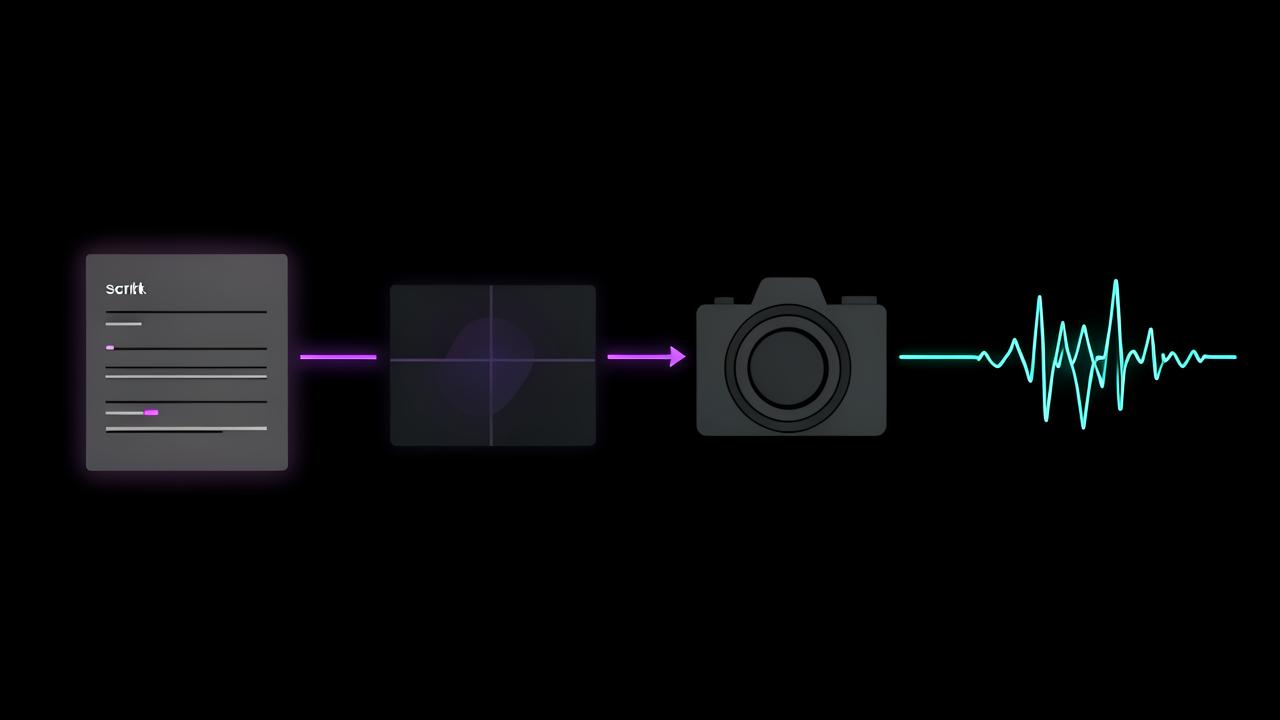
The workflow itself splits into four stages that map cleanly onto four tools. First, script and hook: you need three competing openings for every video, because the first two seconds decide whether the algorithm keeps testing your upload. Second, stills: an image model such as Midjourney, Leonardo, Flux, or Imagen produces the keyframes, and the same seed plus the same character token keeps the face, wardrobe, and lighting from drifting between frames. Third, motion: an animator such as Runway, Kling, Luma, or Veo turns those keyframes into shots with deliberate camera movement instead of random wobble. Fourth, voice: a narration engine such as ElevenLabs reads the script with fixed stability and similarity settings so episode twelve sounds exactly like episode one. See which AI image, video and voice engines fit each stage before you commit to a toolchain.
Midjourney Character Consistency Prompts and ElevenLabs Viral Voiceover Scripts
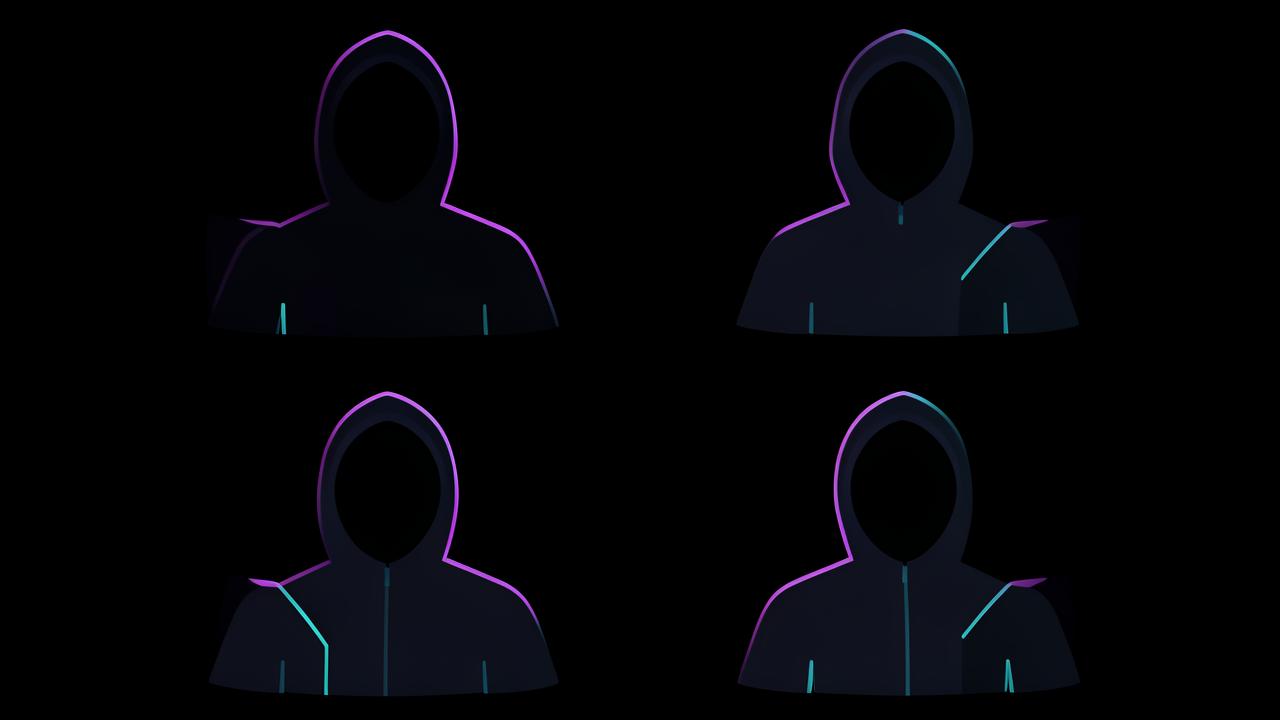
Consistency is the entire retention strategy. Midjourney character consistency prompts — one locked seed, one character token, one negative prompt list — keep the same face and wardrobe across every frame, while ElevenLabs viral voiceover scripts with fixed stability and style settings keep the narration identical from episode one to episode fifty. Viewers do not subscribe to a video, they subscribe to a pattern they can recognise in a scrolling feed — the same character, the same colour grade, the same rhythm of cuts, the same closing line. Practically, that means writing your negative prompts once and reusing them forever, keeping a single seed value per character, and reusing a shot list of five to seven beats: hook frame, context wide, escalation push-in, turn, payoff close-up, and a final hold long enough for a comment to form. Retention graphs improve far more from removing dead air at second three than from any change in visual quality. Our copy-and-paste library of character consistency prompts has the exact seed and negative-prompt wording to start from.
Monetisation: Ads for Reach, Affiliates for Intent
Monetisation follows volume, but only if the back end is set up before the traffic arrives. Display advertising rewards depth of content, so a channel that also publishes written breakdowns and prompt libraries earns from readers who never watch a video. Affiliate revenue rewards specificity: recommending the exact image model, animator, and voice engine you genuinely used converts far better than a generic tool roundup, because the reader is already mid-workflow and needs the next step. Combine the two — ads for reach, affiliate links for intent — and a faceless operation can run profitably long before it reaches platform payout thresholds.
Faceless TikTok Niche Ideas and YouTube Short Automation
The faceless TikTok niche ideas that travel best in 2026 are the ones with a repeatable visual gimmick: AI pet stories, animal cooking, POV immersive vlogs, ASMR restoration, miniature builds, analog horror, and ranking countdowns. Each of those runs as YouTube Short automation too — the same blueprint exports one vertical master that you publish to Shorts, TikTok, and Reels the same morning. Pick one niche, generate thirty blueprints in a sitting, batch the stills, batch the voiceovers, and schedule a week at a time; that batching loop, not raw creativity, is what separates channels that survive month three from the ones that stall at video nine. Read the full step-by-step guide to starting a faceless YouTube automation channel, or generate a blueprint for one of the 24 niches right now.